

Climate


Milwaukee Through the Seasons
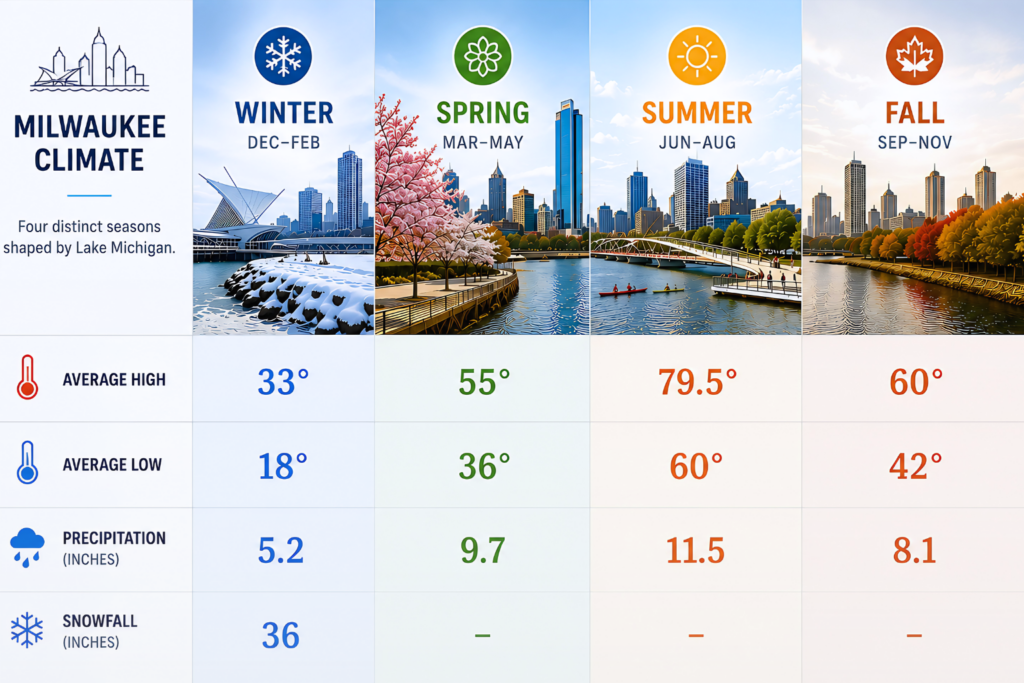
Milwaukee experiences a classic humid continental climate with four distinct seasons, but Lake Michigan significantly shapes its weather. Winters are cold, with periodic subzero temperatures and snowfall, though the lake slightly moderates extremes near the shoreline. Springs are highly variable—often cool and slow to warm due to the lake’s lingering cold water—while summers are warm and humid, with 10–15 days typically reaching 90°F or higher inland, though lake breezes can quickly drop temperatures by 10–20°F closer to the water. Fall tends to be mild and extended, as the lake releases stored heat, delaying the onset of frost. Overall, Lake Michigan acts as a natural regulator, reducing temperature extremes, increasing local variability, and creating noticeable microclimates within just a few miles of the shoreline.
❆ Winter (Dec–Feb)
Winters in Milwaukee are cold and snowy, with average highs in the 20s-30s and occasional drops below 0°F. Snowfall averages around 36 inches annually, and wind off Lake Michigan can make temperatures feel even colder. Expect winter driving conditions, shorter daylight hours, and the need for proper cold-weather gear.
But winter here is highly active rather than limiting. Residents take advantage of skating, sledding, lakefront trails, cross-country skiing, and nearby ski hills throughout the season. Milwaukee is well-equipped for snow, and most winter activities are within a short drive of downtown.
☂ Spring (Mar–May)
Spring is Milwaukee’s most unpredictable season. Temperatures can swing quickly from chilly 40°F days to warm stretches in the 70s, especially as the lake slowly warms. Rain is common, and occasional late snowfalls can still happen into April.
Despite the variability, spring is one of the best times to explore outdoors without summer crowds. Trails, parks, riverwalks, and lakefront paths begin filling back up as the city transitions into festival season.
☀ Summer (Jun–Aug)
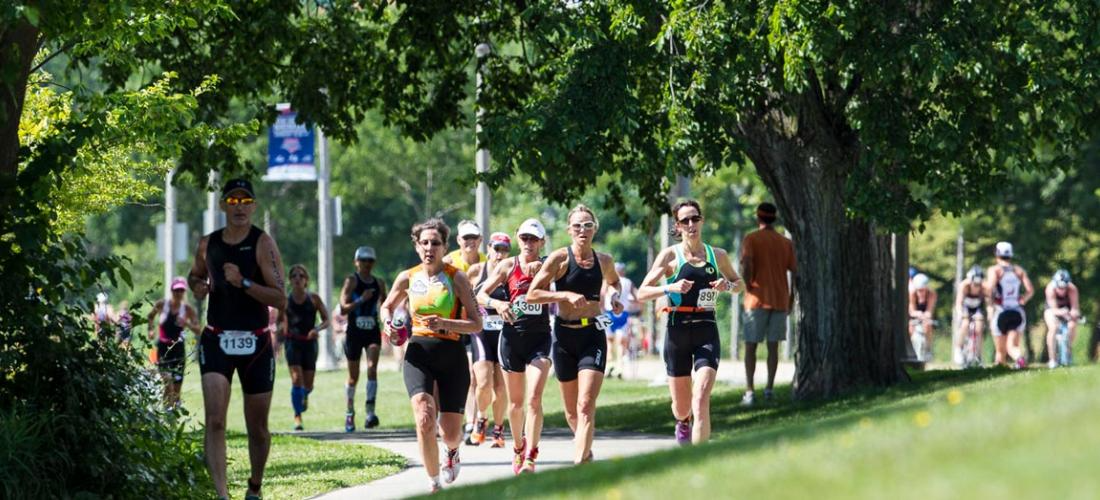
Summers are warm, lively, and centered around Lake Michigan. Highs typically range from the upper 70s to mid-80s, though inland areas occasionally reach 90°F. Near the lakefront, cooler breezes often keep conditions comfortable.
This is Milwaukee at its most active. Long daylight hours, festivals, beer gardens, beaches, biking trails, kayaking, and waterfront events make summer the city’s signature season.
☕︎ Fall (Sep–Nov)
Fall is widely considered Milwaukee’s best season. Temperatures stay mild, humidity drops, and Lake Michigan helps extend comfortable weather well into October. Crisp air and vibrant foliage make it one of the most scenic times of year.
The season is ideal for hiking, biking, lakefront walks, orchard visits, harvest festivals, and exploring nearby parks as summer crowds fade and the region settles into cooler weather.